EN
EN

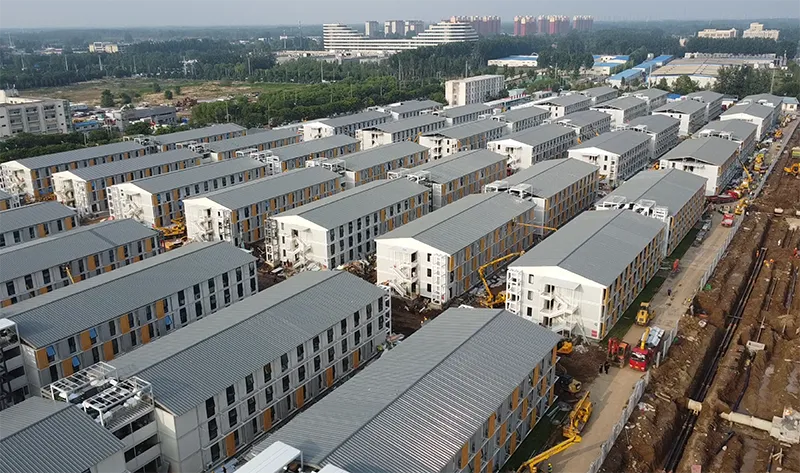
Նավթային հանքավայրերի ճամբարներ անվտանգության համապատասխանության և մարդկային կենտրոնացված գործողությունների հավասարակշռում
Նավթի դաշտերի ճամբարները պետք է հավասարակշռեն անվտանգության համապատասխանությունը և այն մարդկանց գործնական պահանջները, ովքեր այնտեղ ապրում են և աշխատում: Այս օբյեկտները ժամանակավոր բնակարանային պայմաններից շատ ավելին են: Դրանք աջակցում են ամենօրյա գործողություններին, ազդում են աշխատակիցների բարեկեցության վրա և կարևոր դեր են խաղում ամբողջ նախագծի արդյունավետության մեջ: Երբ անվտանգությունը և մարդկային կենտրոնացված դիզայնը միաժամանակ են հաշվի առնվում, ճամբարը ավելի հավանական է, որ կաշխատի հուսալիորեն ծանր պայմաններում:
Կարգավորիչ ստանդարտները, ինչպես օրինակ՝ OSHA, API RP 75 և ISO 45001, ուղղակի ազդեցություն են ունենում ճամբարների պլանավորման և նախագծման վրա: Այս համակարգերը օգնում են ուղղորդել որոշումները՝ վերաբերվելով անվտանգությանը, սարքավորումների ամբողջականությանը, արտակարգ իրավիճակներում մուտք գտնելու հնարավորությանը և աշխատողների բարեկեցությանը: Իրականում դրանք խթանում են ճամբարների նախագծումը՝ ապահովելով ավելի լավ հրդեհի կանխարգելման համակարգ, ավելի անվտանգ շրջանառություն և ավելի ֆունկցիոնալ ապրելու պայմաններ:
OSHA-ին վերաբերող պահանջները օգնում են սահմանել նավթային դաշտերի ճամբարների համար անվտանգ և ֆունկցիոնալ նվազագույն ստանդարտներ: Կախված տեղամասից և նախագծի մասշտաբից՝ դա կարող է ներառել հրդեհային դիմացկուն նյութեր, հստակ արտակարգ ելքեր և հուսալի էլեկտրական համակարգեր: Երբ այս տարրերը վաղ փուլում են հաշվի առնվում, ճամբարը ավելի լավ է դիրքավորված ապահովելու ինչպես կարգավորիչ պահանջների կատարումը, այնպես էլ օրական գործողությունները:
API RP 75-ը հատկապես կարևոր է նախագծերում, որտեղ գործընթացի անվտանգությունը և շահագործման ռիսկերի կառավարումը կրիտիկական են: Այն խրախուսում է վտանգների վերլուծության, ճամբարի տեղադրման և սարքավորումների պլանավորման ավելի կառուցվածքավորված մոտեցում: Հեռավոր կամ բարձր ռիսկ ներառող շահագործումների դեպքում այս տեսակի պլանավորումը կարող է կարևոր տարբերություն ստեղծել ճամբարի անվտանգ գործառնավարման առումով:
ISO 45001-ը ավելի մեծ արժեք է ավելացնում՝ խրախուսելով աշխատողների առողջության ընդհանուր տեսանկյունը, ներառյալ հոգնածությունը և հոգեսոցիալական ռիսկերը: Սա կարող է ազդել ամենայն բանի վրա՝ սկսած քնելու սենյակների նախագծումից մինչև աջակցող ծառայությունների (օրինակ՝ բժշկական ծառայությունների և ընդհանուր օգտագործման տարածքների) տեղադրման վրա: Այդ պատճառով ճամբարները կարող են նախագծվել այնպես, որ ապահովեն ինչպես ֆիզիկական անվտանգությունը, այնպես էլ ընդհանուր բարեկեցությունը:
Այս ստանդարտները միասին օգնում են ձևավորել ավելի անվտանգ, ավելի գործնական և ավելի լավ հարմարված բարդ աշխատանքային միջավայրերի համար նախատեսված ենթակառուցվածքներ: Երբ ճամբարները նախագծվում են համապատասխանության պահանջներին համապատասխան՝ սկզբից հաշվի առնելով դրանք, դրանք ընդհանուր առմամբ ավելի հեշտ է շահագործել և ավելի հավանական է, որ կաջակցեն նախագծի երկարաժամկետ կայունությանը:
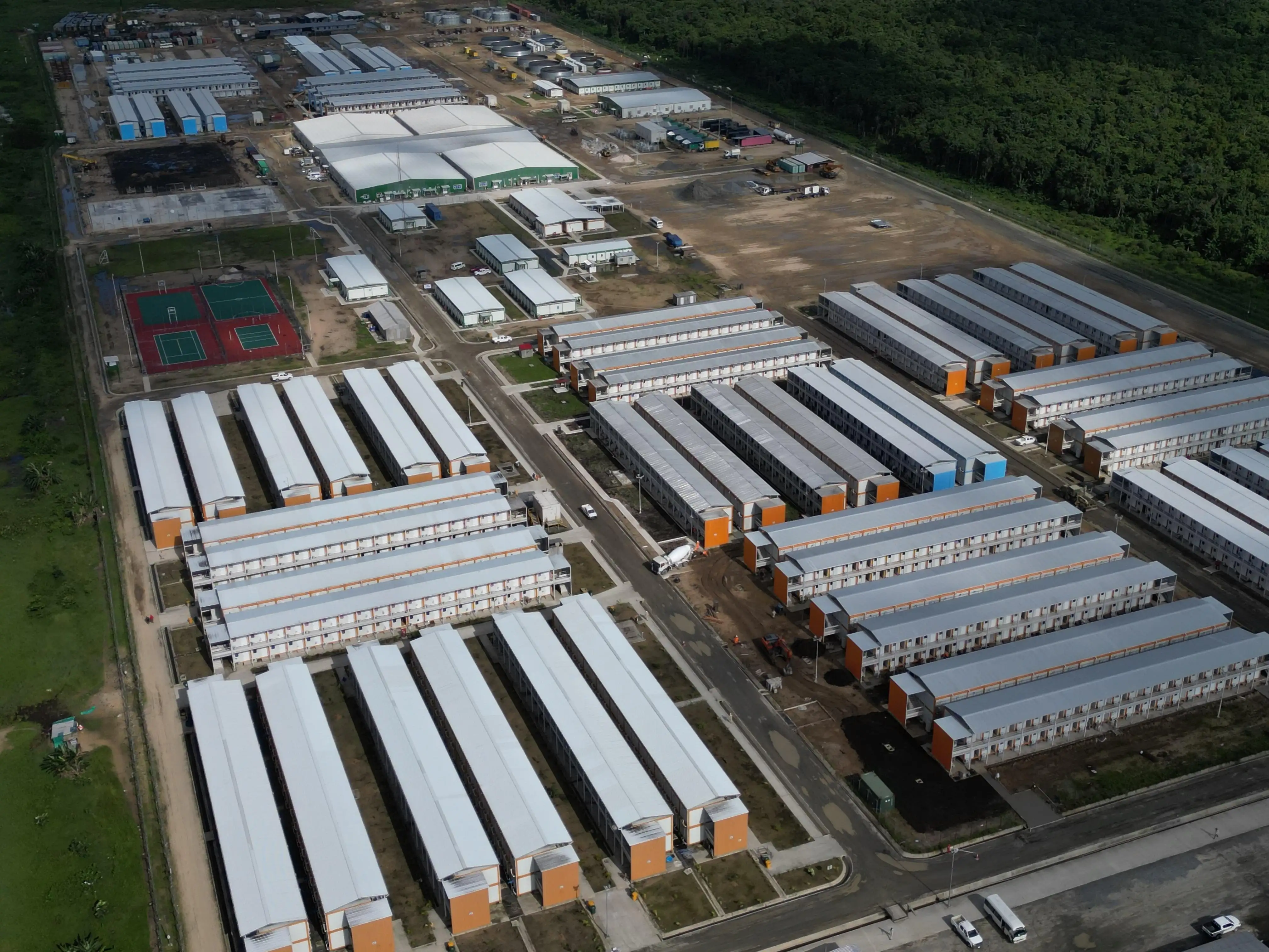
Պարզապես համապատասխանությունից դուրս. Անվտանգության մշակույթի դերը նավթային լաստանավային ճամբարներում
Համապատասխանությունը կարևոր է, սակայն դա հաջողված նավթային լաստանավային ճամբարի միայն մեկ մասն է: Ինտեգրված անվտանգության մշակույթը նույնպես կարևոր է, քանի որ այն խթանում է բաց հաղորդակցությունը, վտանգների արագ զեկուցումը և ավելի ուժեղ առաջնորդման ներգրավվածությունը ամենօրյա անվտանգության գործողություններում: Շատ դեպքերում դա կարող է օգնել նվազեցնել կանխարգելելի դեպքերը և ստեղծել ավելի կայուն աշխատանքային միջավայր:
Կարգավորող պահանջների բավարարումը անհրաժեշտ է, սակայն դա ինքնին բավարար չէ ուժեղ անվտանգության միջավայր ստեղծելու համար: Օպերատորները նաև շահում են այն մշակույթի ձևավորումից, որտեղ հարցերը կարող են վաղ փոխանցվել, համեմատաբար անվտանգ դեպքերը լուրջ վերլուծվում են, իսկ աշխատողների բարեկեցությունը դիտվում է որպես ընդհանուր ռիսկերի կառավարման մաս:
Այն ճամբարները, որոնք համատեղում են համապատասխանությունը և ակտիվ անվտանգության մշակույթը, հաճախ ավելի լավ են աշխատում ժամանակի ընթացքում, քան այն ճամբարները, որոնք հիմնված են միայն նվազագույն ստանդարտների վրա: Այս մոտեցումը կարող է նպաստել ավելի ցածր դեպքերի ցուցանիշների, լավացած հաղորդակցության և աշխատողների ավելի ուժեղ վստահության ստեղծմանը վայրի կառավարման նկատմամբ:
Ուժեղ անվտանգության մշակույթը պետք է նաև հաշվի առնի հոգեկան առողջությունը և հոգնածության կառավարումը: Աջակցող համակարգեր, ինչպես օրինակ՝ գաղտնի խորհրդատվությունը, համախոհական աջակցությունը և հանգստի վերաբերյալ լուրջ վերաբերմունք ցուցաբերող գրաֆիկների կազմումը, կարող են օգնել անձնակազմին մնալ ավելի կենտրոնացած և դիմացկուն երկար կամ պահանջվող շրջանառությունների ընթացքում:
Հանքային ճամբարներ. Իզոլյացիայի, դիմացկունության և հոգեկան առողջության համար նախագծում
Հանքային ճամբարները դիմագրավում են այլ մարտահրավերի. դրանք պետք է աջակցեն աշխատակիցներին իզոլյացված միջավայրերում երկար ժամանակահատվածներ շարունակվելու դեպքում: Դրա պատճառով ճամբարի նախագծումը ուղղակիորեն ազդում է հարմարավետության, մորալի և երկարաժամկետ բնակելիության վրա: Լավ պլանավորումը կարող է նվազեցնել իզոլյացիայի զգացումը և ստեղծել ավելի կայուն ապրելավայր:
Մի շարք դիզայնի ռազմավարություններ կարող են ավելի ֆունկցիոնալ և ավելի հարմարավետ դարձնել հանքարդյունաբերական ճամբարները: Հուսալի կապը օգնում է աշխատողներին մնալ կապված ընտանիքի և ընկերների հետ, իսկ լավ մշակված համայնական տարածքները խթանում են սոցիալական փոխազդեցությունը: Լուսավորության դիզայնը նույնպես կարևոր է, հատկապես այն վայրերում, որտեղ բնական լուսավորության ռեժիմները կարող են սահմանափակ կամ չափազանց լինել:
Այս առանձնահատկությունները միասին կարող են ժամանակավոր բնակարանները վերածել ավելի աջակցող ապրելավայրի: Հեռավոր հանքարդյունաբերական վայրերում դա կարող է կարևոր տարբերություն ստեղծել աշխատողների հարմարվելու մեջ վայրի պայմաններին և նրանց արտադրողականության ու ներգրավվածության տևողության մեջ:
Շրջանային գրաֆիկի մշակումը նույնպես կարևոր դեր է խաղում մտավոր առողջության մեջ: Աշխատանքային շրջանների տևողությունը, հերթափոխների միջև հանգստի ժամանակի քանակը և վայրում առկա աջակցության առկայությունը կարող են բոլորը ազդել աշխատողների երկարատև հեռավոր նշանակումներին արձագանքելու ձևի վրա:
Երբ պտտվող գրաֆիկները միավորվում են կառուցված աջակցության ծրագրերի և հստակ գաղտնիության պրակտիկաների հետ, աշխատողները կարող են զգալ ավելի հարմարավետություն՝ օգտագործելով հասանելի ռեսուրսները: Սա կարող է օգնել նվազեցնել սթրեսը և աջակցել աշխատավորների շրջանում ավելի լավ շարունակականության ձեռքբերմանը:
Նավթային դաշտերի բնակարանային պայմաններ. Մոդուլային, կայուն և մասնագետներին կենտրոնացրած լուծումներ
Նավթային դաշտերի բնակարանային պայմանները ավելի ու ավելի հաճախ նախագծվում են՝ հաշվի առնելով մոդուլային շինարարությունը, կայունությունը և աշխատավորների գրավման առանցքը: Հեռավոր կամ ծանրաբեռնված միջավայրերում շենքերի արագ տեղադրման և փոփոխվող պահանջներին հարմարվելու հնարավորությունը մեծ առավելություն է:
Մոդուլային շենքերը հաճախ առավելություններ են ցուցադրում համեմատության մեջ հեռավոր նավթային դաշտերում տեղում կառուցված շենքերի հետ: Գործարանային վերահսկվող արտադրությունը կարող է բարելավել որակի համատեղելիությունը, նվազեցնել նյութերի թափոնները և պարզեցնել տեղադրումը: Դա նաև հեշտացնում է շենքերի հարմարեցումը ծայրահեղ կլիմայական պայմաններին կամ դժվար տրանսպորտային պայմաններին:
Շենքերի նախագծման մեջ մեկը կարևոր բաղադրիչներից է նաև շրջակա միջավայրի վրա ազդեցության նվազեցումը: Արկտիկայի պայմաններում մոդուլային միավորները կարող են նվազեցնել զգայուն հողային պայմանների վրա ազդեցությունը: Մերձավոր Արևելքի անապատային միջավայրում վայրից դուրս կառուցված մոդուլները կարող են նվազեցնել տեղում ռեսուրսների օգտագործումը: Ծովային կիրառման դեպքում թեթև և արդյունավետ մոդուլները կարող են ապահովել ավելի հեշտ տեղափոխում և ավելի պատասխանատու սերտիֆիկացված սերտիֆիկացված սերտիֆիկացված սերտիֆիկացված սերտիֆիկացված սերտիֆիկացված սերտիֆիկացված սերտիֆիկացված սերտիֆիկացված սերտիֆիկացված սերտիֆիկացված սերտիֆիկացված սերտիֆիկացված սերտիֆիկացված սերտիֆիկացված սերտիֆիկացված սերտիֆիկացված սերտիֆիկացված սերտիֆիկացված սերտիֆիկացված սերտիֆիկացված սերտիֆիկացված սերտիֆիկացված սերտիֆիկացված սերտիֆիկացված սերտիֆիկացված սերտիֆիկացված սերտիֆիկացված սերտիֆիկացված սերտիֆիկացված սերտիֆիկացված սերտիֆիկացված սերտիֆիկացված սերտիֆիկացված սերտիֆիկացված սերտիֆիկացված սերտիֆիկացվա...... ջրահեռացման սարքավորումների օգտագործումը:
Էներգախնայող և մասշտաբավորելի բնակարանները կարող են նաև աջակցել ընդհանուր ESG նպատակներին: Այնպիսի հատկանիշներ, ինչպես արևային էներգիայի օգտագործումը, ավելի ինտելեկտուալ օդի մաքրման և ջերմային կարգավորման համակարգերը (HVAC) և ջրի խնայման միջոցառումները, կարող են նվազեցնել շահագործման ազդեցությունը՝ միաժամանակ ցույց տալով ռեսուրսների օգտագործման ավելի պատասխանատու մոտեցում:
Երբ բնակարանները միավորում են արդյունավետությունը, հարմարավետությունը և ճկունությունը, դրանք դառնում են ավելի քան ժամանակավոր տեղավորման լուծում: Դրանք կարող են աջակցել աշխատակիցների պահպանմանը, ամրապնդել նախագծի հեղինակությունը և օգնել համապատասխանել կլիենտների, ներդրողների և կարգավորող մարմինների կողմից սահմանված կայուն զարգացման սպասելիքներին:
Եզրակացություն
Նավթի դաշտերի ճամբարները, հանքարդյունաբերական ճամբարները և այլ հեռավոր աշխատավայրերի բնակեցման լուծումները այլևս ոչ միայն տրամաբանական անհրաժեշտություններ են: Դրանք կարևոր դեր են խաղում նախագծերի անվտանգության, բարեկեցության և շահագործման արդյունավետության ապահովման գործում դժվարին պայմաններում: Երբ համապատասխանությունը, մարդկային կենտրոնացված դիզայնը և գործնական տեղամասի պլանավորումը միաժամանակ հաշվի են առնվում, այս օբյեկտները կարող են կարևոր դեր խաղալ նախագծի երկարաժամկետ հաջողության մեջ:
Հաճախադեպ տրվող հարցեր
Ի՞նչ են նավթի դաշտերի ճամբարների վրա ազդող հիմնական կանոնակարգերը:
Նավթի դաշտերի ճամբարները հաճախ ձևավորվում են աշխատավայրի անվտանգության ստանդարտներով, գործընթացների անվտանգության ուղեցույցներով և մասնագիտական առողջության պահանջներով: Այս կանոնները ազդում են ճամբարի տարածական կազմակերպման, արտակարգ իրավիճակներում մուտք գործելու հնարավորության, սարքավորումների պլանավորման և ամբողջ աշխատողների պաշտպանության վրա:
Ինչպե՞ս են ինտեգրված անվտանգության մշակույթները բարելավում աշխատակիցների պահպանման ցուցանիշները:
Ինտեգրված անվտանգության մշակույթը կարող է բարելավել աշխատակիցների պահպանումը՝ աշխատողներին ավելի անվտանգ, ավելի աջակցված և ղեկավարության նկատմամբ ավելի վստահ զգացնելով: Երբ մարդիկ վստահում են իրենց շրջապատին, նրանք ավելի հավանական է, որ մնան:
Ինչ դիզայնի առանձնահատկություններն են բարելավում մատտակային ճամբարներում մտավոր առողջությունը:
Օգտակար դիզայնի առանձնահատկություններից են հուսալի կապը, լավ համայնային տարածքները, գործնական լուսավորությունը և հանգստի ու վերականգնման աջակցությունը: Այս տարրերը կարող են օգնել նվազեցնել մեկուսացումը և բարելավել ամենօրյա կենսավարության պայմանները:
Ինչու՞ է մոդուլային բնակարանային շինարարությունը նախընտրվում նավթային դաշտերում:
Մոդուլային բնակարանային շինարարությունը հաճախ նախընտրվում է, քանի որ այն կարող է ավելի արագ տեղադրվել, ավելի հեշտ հարմարեցվել և ավելի արդյունավետ կառավարվել, քան շատ այլ վայրում կառուցված տարբերակները: Այն հատկապես օգտակար է հեռավոր կամ մեծ մասշտաբի մարտահրավերներ ներկայացնող միջավայրերում:
Ինչպե՞ս է էներգախնայող բնակարանային շինարարությունը աջակցում ԵԿՀ նպատակներին:
Էներգախնայող բնակարանային շինարարությունը կարող է օգնել նվազեցնել ռեսուրսների օգտագործումը և աջակցել ավելի պատասխանատու նախագծերի իրականացմանը: Դա նաև ցույց է տալիս, որ ճամբարը մշակվել է կայունության մասին մտածելու սկզբունքով:
Բովանդակության ցուցակ
- Պարզապես համապատասխանությունից դուրս. Անվտանգության մշակույթի դերը նավթային լաստանավային ճամբարներում
- Հանքային ճամբարներ. Իզոլյացիայի, դիմացկունության և հոգեկան առողջության համար նախագծում
- Նավթային դաշտերի բնակարանային պայմաններ. Մոդուլային, կայուն և մասնագետներին կենտրոնացրած լուծումներ
- Եզրակացություն
-
Հաճախադեպ տրվող հարցեր
- Ի՞նչ են նավթի դաշտերի ճամբարների վրա ազդող հիմնական կանոնակարգերը:
- Ինչպե՞ս են ինտեգրված անվտանգության մշակույթները բարելավում աշխատակիցների պահպանման ցուցանիշները:
- Ինչ դիզայնի առանձնահատկություններն են բարելավում մատտակային ճամբարներում մտավոր առողջությունը:
- Ինչու՞ է մոդուլային բնակարանային շինարարությունը նախընտրվում նավթային դաշտերում:
- Ինչպե՞ս է էներգախնայող բնակարանային շինարարությունը աջակցում ԵԿՀ նպատակներին: